
What Is Cold Canvassing And Where Cold Calling Fits In
Oct 27, 2025
Learn what cold canvassing is, how it differs from cold calling, and how combining both boosts qualification, meetings, and sales performance.

Introduction
The call list is full, the calendar is packed, and the quota clock is ticking. An SDR sits down to start dialing and sees a mix of webinar leads, referrals, and a massive list of names that have never heard of the company. That last group is where cold canvassing really lives, even though most people only talk about cold calling.
When we speak with sales teams, we hear the same confusion over and over. Many use the phrase cold canvassing when they really mean cold calling, and they treat every outreach as a pitch. That blurs two different motions. Cold canvassing is about learning and qualifying. Cold calling is about selling. Mixing them together makes reps dread the phone and leaves a lot of pipeline on the table.
In this guide, we separate those two ideas and show how they work together. We’ll define cold canvassing, explain where cold calling fits in, share a step‑by‑step framework, and walk through best practices and objection handling. Along the way, we’ll draw on patterns we see across thousands of calls that run through our AI platform at Suade, and show how modern tools help teams book more meetings while reducing stress for reps.
“Stop selling. Start helping.”
— Zig Ziglar
Key Takeaways
Cold canvassing vs. cold calling: Cold canvassing focuses on information and qualification, while cold calling focuses on pitching and booking meetings. Treating them as two stages in one process turns random outreach into a clear system that reps can follow with confidence.
Pre‑qualification changes the numbers: Teams that use cold canvassing to pre‑qualify leads see a major shift in results compared with unfiltered cold calling. Calling a list that already showed need, fit, and timing often means conversion rates near 20 percent instead of the low single digits.
Skills that matter most: Success with cold canvassing comes from clear targeting, sharp questions, strong scripting, genuine rapport, steady follow‑up, and professional behavior every time. Handling common objections well turns many early “no” responses into future “maybe.”
Modern tools raise performance: CRM platforms, dialers, and AI systems like Suade make this work far easier. Dynamic scripts, real‑time coaching, adaptive objection handling, and post‑call analysis help teams increase meeting rates and shorten ramp time for new reps.
What Is Cold Canvassing? Understanding The Core Concept
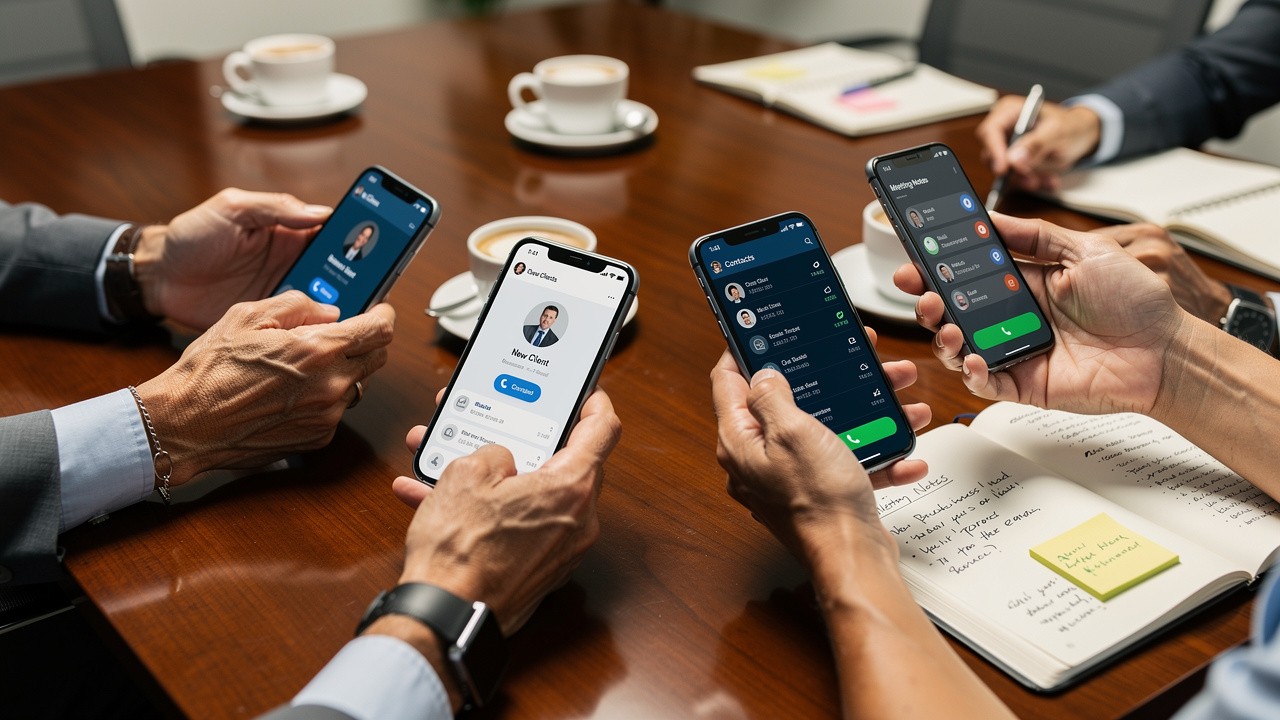
When we talk about cold canvassing, we mean a proactive outreach strategy focused on people or companies who haven’t raised their hand yet. These contacts have no real awareness of the brand, the reps, or the product. The main goal at this stage isn’t to close a deal. The aim is to collect information, test for fit, and decide who might be worth a deeper sales conversation later.
Instead of diving straight into a pitch, reps ask short, focused questions. They try to learn about:
Current tools and processes
Pain points and priorities
Buying timelines
Decision makers and influencers
That information helps separate serious prospects from people who are never going to buy. Cold canvassing becomes the filter that turns a raw list into a pipeline of real opportunities.
Teams can run cold canvassing in several ways, and the right mix depends on the market:
In‑person canvassing puts reps in front of people at their home or office. This approach fits local or field‑driven industries such as solar, real estate, or home services, where seeing the property or talking face to face adds value and builds trust quickly.
Phone‑based canvassing uses short calls to many contacts across a wide territory. Instead of a hard pitch, the rep treats it like a quick survey. This is ideal for B2B software or national service providers that need to cover many accounts across regions.
Email canvassing sends short, targeted emails that ask one or two sharp questions. These messages aren’t long presentations. They are simple probes to find interest, gather data, and get permission for a future call or demo.
No matter the channel, the heart of cold canvassing is the same: use systematic questions to decide who is worth more of the team’s time. Done well, it feeds the funnel with informed, pre‑vetted leads that are much easier to advance once the true sales motion begins.
Key Terminology: Cold Prospects Vs. Warm Prospects
The terms cold prospect and warm prospect sound simple, but they drive how we plan outreach.
A cold prospect is someone who matches the target profile but has zero real contact with the brand. They haven’t clicked an ad, attended a webinar, or downloaded a guide. In many lists, they’re just a name, a role, and a company.
A warm prospect has already had some touch. That might be an inbound demo request, a reply to an email, a past deal, or even a short conversation at an event. This small amount of familiarity makes a big difference. Warm prospects pick up the phone more often and stay on the line longer because the call doesn’t feel like it’s coming from nowhere.
Inside a CRM, we use these labels to decide where to spend effort:
A B2B software team might mark cold accounts that match the ideal customer profile for canvassing calls first, then pass the most interested contacts into a warm bucket for targeted follow‑up.
In a B2C context, a local solar company could treat every house in a new neighborhood as cold at first, then mark those who ask for quotes as warm.
That simple split keeps outreach focused and realistic.
Cold Canvassing Vs. Cold Calling: Where Does Cold Calling Fit?

Cold canvassing and cold calling share some tools and language, which is why people mix them up so often. Both involve reaching out to people who didn’t schedule time with a rep. Both often start with a phone call. The difference sits in the purpose of the conversation and the expectations on both sides.
In cold canvassing, the rep’s aim is to learn. The rep might say that up front and ask for a quick two‑ or three‑minute chat. Questions focus on the prospect’s current setup, pain points, and buying rhythm. The call ends when the rep knows whether this contact should move forward into the next stage or belong in a lower‑priority bucket.
Cold calling, in the stricter sense, is a direct sales motion. The goal is to set a meeting, run a demo, or even close a small deal. The rep still asks questions, but they’re driving toward a clear next step. When someone says yes to a calendar invite or a trial, that cold call did its job.
The most effective teams don’t treat these as separate worlds. They see cold canvassing as the first phase of the same outreach system:
SDRs canvass a list and collect data.
They mark each contact by fit and interest in the CRM.
SDRs, BDRs, or AEs run focused cold calls to that smaller set of high‑fit contacts, using what they learned to guide the conversation.
Why does this matter? When reps cold call a random list, they might convert around 2 percent of contacts into meetings. When they call only those who pass a simple canvassing screen, conversion can climb closer to 20 percent. That’s a ten‑to‑one difference in results for the same number of dials.
AI tools raise the ceiling even more. With Suade, for example, reps walk into each cold call with a dynamic script based on notes from the earlier canvassing touch. During the live call, real‑time coaching suggests follow‑up questions and objection responses that match the exact context. This blend of pre‑work and live support turns the cold call from a guessing game into a focused, high‑quality conversation.
How Modern Sales Teams Integrate Both Approaches
High‑performing teams treat cold canvassing and cold calling as two gears in one machine. The first gear builds a clean, qualified list. The second gear turns that list into meetings and revenue. When both gears move in sync, even small SDR teams can hit big pipeline goals.
A typical setup:
SDRs own canvassing. They work through target accounts, collect notes on needs and timing, and mark status fields in the CRM.
BDRs or AEs own outbound cold calls to contacts that pass a clear threshold. Those records become ready targets, backed by context from earlier conversations.
Technology ties the two motions together:
Status fields and custom properties in the CRM show where each contact sits in the flow, from first canvassing touch to booked meeting.
Dynamic script tools such as Suade draw on that data. Before a call, Suade builds a script that reflects the industry, persona, and earlier answers. During the call, our AI adjusts prompts based on prospect reactions.
Over time, leaders use data from both canvassing and calling to refine questions, priorities, and messaging.
The Strategic Benefits Of Cold Canvassing
Cold canvassing is more than a way to fill gaps when inbound slows down. Across teams that do this well, we see clear advantages that build over time:
Higher conversion rates: Pre‑qualifying leads means less time on contacts who will never buy and more time with people who care about the problem.
Lower pressure for reps: Asking for information feels lighter than asking for a commitment. When the rep says they only need a couple of quick answers, prospects often relax. That calmer tone carries over to the rep as well, which supports better delivery and less burnout.
Richer insight from prospects: Many people put their guard up as soon as they hear a pitch. When the call starts with sincere questions instead, they tend to share more. Those details can reveal hidden buying centers, timing clues, and unspoken pain that a straight pitch would never reach.
Better go‑to‑market decisions: Real words from real people show which pain points matter, which competitors are sticky, and which claims fall flat. Marketing can adjust messaging. Product teams can spot gaps. Sales leaders can refine their ideal customer profile based on who actually moves forward instead of who only looks good on paper.
Lower cost per insight: One rep with a dialer and a good list can talk to dozens of prospects in a day. Every call either feeds the qualified pipeline or tells the team who to stop chasing. That kind of clarity saves money and time.
AI coaching adds another layer. While reps canvass, a platform like Suade can suggest sharper qualifying questions based on patterns seen across thousands of calls. If a prospect hints at a strong pain point, Suade guides the rep toward follow‑up that confirms budget, authority, and timeline without making the prospect feel pushed.
“The sale is made in the questions you ask, not the pitch you give.”
— Mark Hunter
Real-World Impact: Conversion Rate Improvements
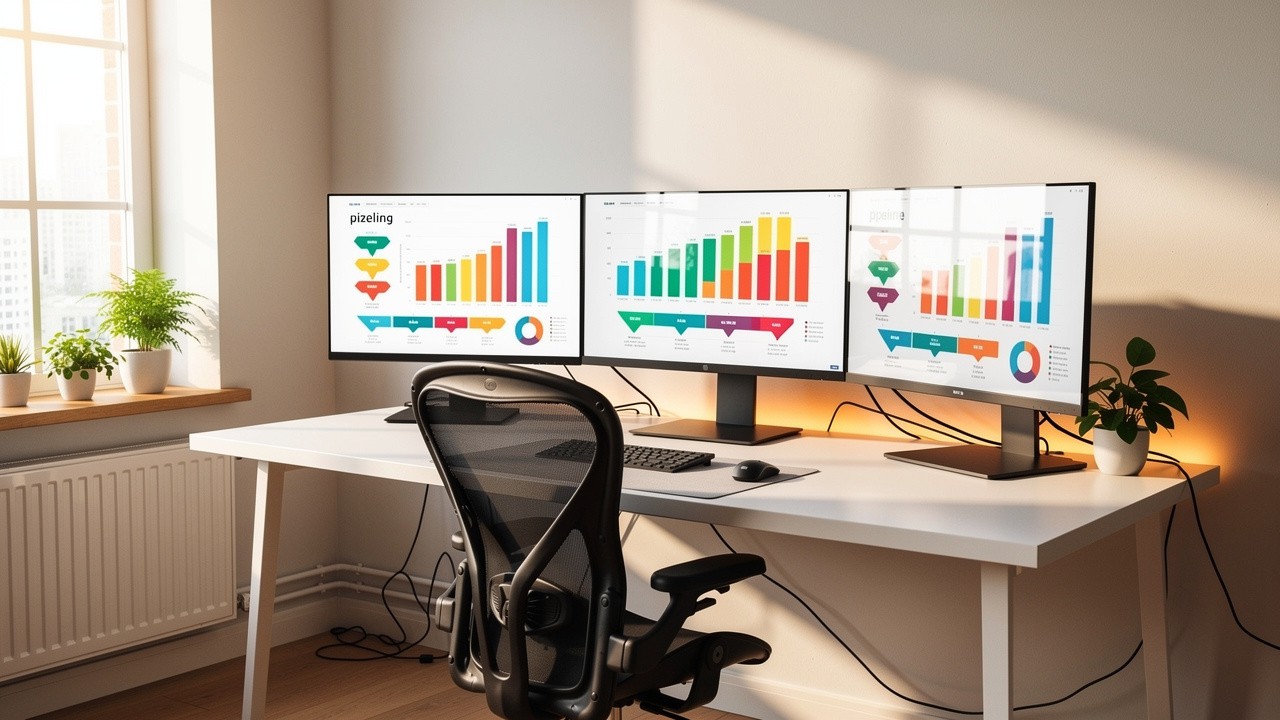
Numbers help bring this into focus. Imagine two SDRs with the same list of one hundred contacts:
SDR A runs straight cold calls with a pitch on every conversation.
SDR B spends the first day on short canvassing calls to qualify interest, then calls back only the twenty contacts who showed fit and need.
SDR A might book two meetings if they hit the average 2 percent conversion rate for unqualified cold calls. SDR B now calls a smaller group, but those contacts are far warmer. With a 20 percent conversion rate on that group, they walk away with around four meetings from the same original list, often with shorter call times and less frustration.
We see this pattern in many fields, from B2B software to insurance to solar energy. When teams put a simple qualification stage ahead of their pitch calls, meetings go up and rejection goes down.
Suade’s post‑call analysis gives a deeper view. By scanning thousands of conversations, our AI can highlight which canvassing questions most often show up in deals that close later. Leaders can then standardize those questions, coach toward them, and watch the conversion numbers climb over time.
Step-By-Step Guide To Implementing A Cold Canvassing Strategy
A strong cold canvassing program doesn’t appear by accident. It comes from a clear plan, consistent training, and tight feedback loops. When we build this motion with teams, we follow a simple four‑step structure that any sales leader can adapt.
Step 1: Define Your Target Prospects With Precision
Everything starts with knowing exactly who belongs on the list. A broad set of names looks impressive in the CRM, but it wastes time if most of those contacts never had a real chance to buy. For cold canvassing, tight targeting matters even more because reps often work at higher volume.
Examples:
Local business: Focus on specific neighborhoods or zip codes linked to higher deal sizes (older roofs, certain income levels, housing types).
B2B teams: Narrow by industry, company size, tech stack, or job titles that match the buying committee.
National consumer brands: Use demographic and interest data to shape the canvas.
A practical approach is:
Pull your best customers from the CRM.
Look for patterns in size, industry, and buying triggers.
Use those patterns to build the first canvassing list.
Refine the profile as real results come in.
Step 2: Determine The Critical Insights You Need
Once the target is clear, decide what each canvassing touch should reveal. Without that plan, calls drift and notes become messy. With a clear set of questions, every interaction fuels better cold calls later.
Most canvassing flows chase two kinds of insight:
Pure qualification:
Current tools
Number of users or locations
Budget range
Timing for review or renewal
Market intelligence:
Biggest day‑to‑day headaches
How decisions really get made
What people wish their current vendor did better
We recommend three to five high‑value questions per call. For example, a rep might ask how satisfied the contact is with their current process, when they last looked at other options, and what would need to change for them to consider alternatives.
AI script builders such as Suade can help design these question flows based on your goals and the type of prospect you’re targeting.
Step 3: Prepare Your Team For Successful Execution

Even the best plan fails without reps who feel ready to carry it out. Training for cold canvassing should cover:
Compliance basics: Calling hours, do‑not‑call lists, how to respond when people ask not to be contacted, and rules for field reps around no soliciting signs and personal safety.
Tools and workflow: How to use the CRM, dialer, and any mobile tools. Reps should know how to:
Log outcomes quickly
Add clear notes
Move contacts through stages without confusion
Talk tracks and openings: Reps need a short, confident opening line that explains who they are, why they’re calling, and how long it will take.
Objection handling: Objections like “not a good time” or “not interested” will show up often. Practice sessions help reps respond calmly and steer back to the purpose of the call.
Here, real‑time AI coaching makes a big difference. With Suade, if a prospect pushes back, the platform suggests a short, respectful reply drawn from patterns that have worked in similar calls. This live support gives new reps a safety net and helps experienced reps keep calls on track.
Step 4: Execute, Capture, And Use The Data
When the team starts dialing or walking routes, the focus shifts to consistent execution and clean data capture. Every conversation should lead to updated fields in the CRM, such as:
Interest level
Decision role
Timing
Key pains or initiatives mentioned
After each block of activity, leaders review the data:
High‑interest contacts move into a hot list for rapid follow‑up cold calls.
Medium‑interest contacts might enter a nurture sequence with scheduled check‑ins.
No‑fit contacts drop out of active outreach, which protects rep time and keeps reports honest.
The real power comes from closing the loop. Over weeks and months, leaders can review which canvassing answers show up most often in won deals. Post‑call analysis tools such as Suade highlight these patterns by scanning recordings and notes. Teams then adjust questions, scripts, and targeting based on what the data shows instead of gut feel.
Best Practices For Cold Canvassing Success
Even with a solid framework, the details of daily execution decide whether cold canvassing turns into a powerful engine or a grind that everyone avoids. From our work with SDR and BDR teams, several habits show up again and again among top performers.
1. Use a script without sounding scripted.
The best scripts:
Give reps a strong opening
Lay out a clear sequence of questions
Offer phrasing for common objections
Leave room for natural conversation
Reps who know their script well feel calmer and can focus on listening instead of worrying about what to say next.
2. Build real rapport.
Prospects can sense when a rep is rushing or just working through a checklist. A short personal touch—such as relating to the prospect’s role or something about their company—can change the tone of the whole call. Active listening, small acknowledgments, and a calm pace make people more willing to share honest answers.
3. Show value early.
Even though canvassing isn’t a full pitch, prospects deserve a clear reason to give their time. Reps can hint at the benefit by framing questions around outcomes:
“We help sales teams cut admin time; how are you handling call notes right now?”
That shows the call has a point beyond data collection.
4. Follow up with discipline.
Many leads that say “not right now” could be strong fits in six months. A thoughtful follow‑up schedule, with periodic check‑ins that add something helpful, keeps the door open without feeling pushy. Clear CRM tasks and simple cadence rules keep this from becoming guesswork.
5. Maintain professional standards.
For field teams, that means clean appearance, polite introductions, and respect for personal space. For phone teams, it means steady tone, no background noise, and accurate information. Technology supports this. Suade helps teams keep scripts, coaching, and analytics in one place so that best practices turn into daily habits instead of training slides nobody revisits.
Overcoming Common Objections In Cold Canvassing

Objections are part of the job, not a sign that the process is broken. When reps see them as chances to learn instead of personal attacks, their confidence rises and conversations last longer. The key is to understand what sits behind each objection and to respond in a way that matches the goal of canvassing.
Common objections and practical responses:
“I’m not interested.”
Often means: I don’t yet see why this matters.Briefly restate the problem area you focus on.
Ask one short, outcome‑focused question.
If the prospect still sounds firm, thank them, mark the record, and move on.
“I don’t have time.”
People are busy and may have had bad experiences with long calls.Acknowledge the time pressure.
Ask for a tiny window, such as one minute for a single question.
If they agree, stick to that promise. If they don’t, offer to send a short email and ask for a better time to talk.
“It’s too expensive” or “We have no budget.”
This can show up even at the canvassing stage.Explain that you’re only trying to learn about fit today.
Note that any cost talk would come later, if it even makes sense.
Ask a quick question about budget cycles or spending priorities.
“We already work with another provider.”
The aim isn’t to attack the competitor.Ask what they like about their current setup.
Ask if there’s anything they’d change.
Use those answers as insight, even if this contact never switches.
“Please don’t call again.”
This is the moment to exit.Acknowledge the request.
Confirm you’ll update your records.
Close the call on a polite note.
Suade’s adaptive objection handling supports these decisions. During live calls, our AI suggests respectful replies and, when the time is right, prompts the rep to wrap up cleanly rather than pushing and risking the relationship.
Essential Tools For Modern Cold Canvassing
Cold canvassing used to mean clipboards, paper lists, and messy notes. Today, technology lets even lean teams run this motion in a structured, data‑rich way. The right stack keeps outreach organized, reduces manual work, and gives leaders clear insight into what’s working.
Key tools include:
CRM system:
Holds contact details, call outcomes, notes, and status fields for every prospect. When reps log each canvassing touch consistently, leaders can slice the data by industry, persona, or stage and see which segments respond best.Contact center software and dialers:
For phone‑heavy canvassing, auto‑dialers save hours of manual effort by connecting reps only when someone actually answers. Features like local presence numbers, voicemail drops, and call recording help too—especially when they sync directly with the CRM.Field routing and territory tools:
Route planning keeps reps from zigzagging across town and wasting fuel. Territory mapping lets managers divide areas so that no street gets skipped or hit twice. Offline access matters when coverage is spotty.Fast note capture:
Whether notes live in a mobile app tied to the CRM or another shared system, reps need a quick way to record key answers right after each conversation. Short, structured fields beat long free text, since they support reporting and script updates later.AI‑powered enablement platforms:
This is where Suade fits. Our platform helps teams:Build dynamic scripts before calls
Coach reps live while they speak with prospects
Analyze every call after it ends
Suade links pre‑call planning, real‑time objection support, and performance metrics in one place. Teams using Suade often report around 20 percent more booked meetings and much faster ramp time for new reps, while giving leaders a clear view of how outreach is actually going.
Conclusion
Cold canvassing isn’t just another label for cold calling. It’s a specific, focused way to turn a wide set of possible contacts into a clear list of real prospects. When we separate learning from selling, reps feel less pressure, prospects feel less attacked, and the entire pipeline becomes more predictable.
Cold calling still matters a great deal. It’s the step where meetings get booked and deals start to move. The key is to place cold calling after a smart canvassing phase instead of treating every call as a pitch from the start. That shift alone can raise conversion rates, cut burnout, and make goals feel reachable again.
We know this work isn’t easy. Rejection, manual tasks, and unclear next steps wear on even the best SDRs. The path forward blends sound process with modern tools. Clear targeting, sharp questions, and disciplined follow‑up form the base. AI adds another layer by giving reps better scripts, live coaching, and honest feedback from every call.
Teams that commit to both sides of this approach gain a real edge over those who still rely on spray‑and‑pray outreach. They book more meetings from the same lists and get new reps productive in a fraction of the time. At Suade, we’re focused on helping sales teams do exactly that with AI‑driven tools that turn cold canvassing and cold calling into a thoughtful, data‑driven system. Our platform supports your reps before, during, and after every call so they can focus on what they do best: having real conversations that move deals forward.
FAQs
What Is The Main Difference Between Cold Canvassing And Cold Calling?
When we say cold canvassing, we mean outreach that focuses on information and qualification. The rep asks short questions to see if the contact has the right profile, pains, and timing. Cold calling, in the strict sense, centers on pitching and booking a next step such as a demo. In a strong process, canvassing happens first and feeds a smaller, warmer list into targeted cold calls.
Is Cold Canvassing Still Effective In 2024?
Yes, cold canvassing still works very well when it’s planned and supported with modern tools. Qualified leads from canvassing often convert at 20 percent or more when reps follow up with focused cold calls, compared with around 2 percent from unfiltered lists. It’s especially strong in fields like solar, insurance, real estate, telecom, and B2B software where direct conversations matter. AI platforms such as Suade make it faster and more consistent by guiding scripts and analyzing results.
How Many Contacts Should A Sales Rep Canvass Per Day?
The right number depends on the channel, list quality, and talk time. As a rough guide:
Phone canvassing: Many teams see solid results when a rep aims for 50–100 live contacts in a day, with enough time to record clean notes.
Field canvassing: Reps might visit 30–50 doors or offices.
Email canvassing: One hundred to two hundred contacts per day is common if messages stay short and targeted.
Quality conversations beat raw volume. A smaller number of well‑run interactions usually leads to better pipeline.
What Should I Ask During A Cold Canvassing Interaction?
Frame canvassing questions around two aims:
Test basic fit and interest:
What tools or process are you using now?
How satisfied are you with that setup?
When do you usually review alternatives?
Who’s involved when you make a change?
Look for broader insight:
What are your biggest headaches around this area?
If you could change one thing about your current setup, what would it be?
Two or three strong questions are often enough. Suade’s script builder can help design these paths so every question supports later cold calls.
How Can AI Improve Cold Canvassing And Cold Calling Results?
AI helps across preparation, live calls, and analysis:
Before calls: Build scripts that match each prospect’s industry, role, and stage in the funnel.
During calls: Listen in and suggest next questions, clearer phrasing, and objection responses in real time so reps don’t get stuck.
After calls: Review recordings and outcomes to spot patterns in what works and what doesn’t.
With Suade, teams often see more meetings, faster ramp time, and more consistent performance across every rep on the team.