
Call Closing 2026: How To Close Cold Calls Fast
Nov 3, 2025
Learn how to close a cold call in 2026 by confidently asking for time. Proven frameworks, scripts, and examples to turn good calls into booked meetings.

Introduction
Picture this. An SDR spends eight focused minutes on a cold call building rapport, uncovering pain, and lining up clear value. The prospect opens up, agrees the problem matters, and sounds engaged. Then the rep ends with, “I’ll send you some info.” No date, no time, no real commitment. The call felt good, but the chance is gone.
Most teams train heavily on openers, discovery, and objection handling. The final 60–90 seconds get one slide, if that. The result is strong talk tracks with weak calendars. In 2026, when buyers fiercely protect their time, you cannot afford to end calls with vague promises. You have to ask for time before you hang up.
This guide lays out a clear, modern system for call closing on cold calls, plus word-for-word examples. You will also see how AI tools like Suade give real-time prompts in the last moments of a call so reps do not freeze or drift into “I’ll follow up.” Teams that treat call closing as a craft often see around a 20% lift in booked meetings and much faster ramp for new reps.
“The close is where intent turns into commitment.”
Key Takeaways
Effective call closing has three parts: recap value in the prospect’s words, propose a specific next step, and ask for a clear commitment.
Vague endings like “I’ll follow up” lead to ghosting. Strong closers lock in an exact day, time, and purpose for the next conversation while the buyer is still on the line.
Personalizing the final lines—mentioning their goals, numbers, or team—can raise show rates by 30% or more compared with generic closers.
Suade and similar AI coaching tools listen to live calls and suggest closing language, objection responses, and reminders in real time.
Different call types need different closes: cold calls aim for a short discovery chat, discovery calls point to a focused demo, demos move toward proposal or decision.
Ending with a question that invites “yes” (for example, “Have I answered everything for today?”) makes the call feel complete and positive.
Why Mastering The Call Close Is Your Biggest Competitive Advantage
Most reps can run solid discovery, but far fewer know how to guide the final minute. That gap shows up as no-shows, ghosting, and thin pipeline.
Even a flawless discovery is wasted if the call ends without a concrete next step. The close is the bridge between a good conversation and a real opportunity. When you build that bridge well, teams often see a 20–25% jump in conversion from cold call to meeting—without changing lead volume.
There is also a strong psychological angle. People remember how interactions end more than how they begin.
“People remember the peak and the end of an experience more than anything else.” — Daniel Kahneman (on the peak–end rule)
A confident, clear close leaves buyers with a sharp memory of the value you offer and your ability to lead a process. Reps who do this consistently stand out and move into bigger roles faster.
The Anatomy Of A Perfect Cold Call Close
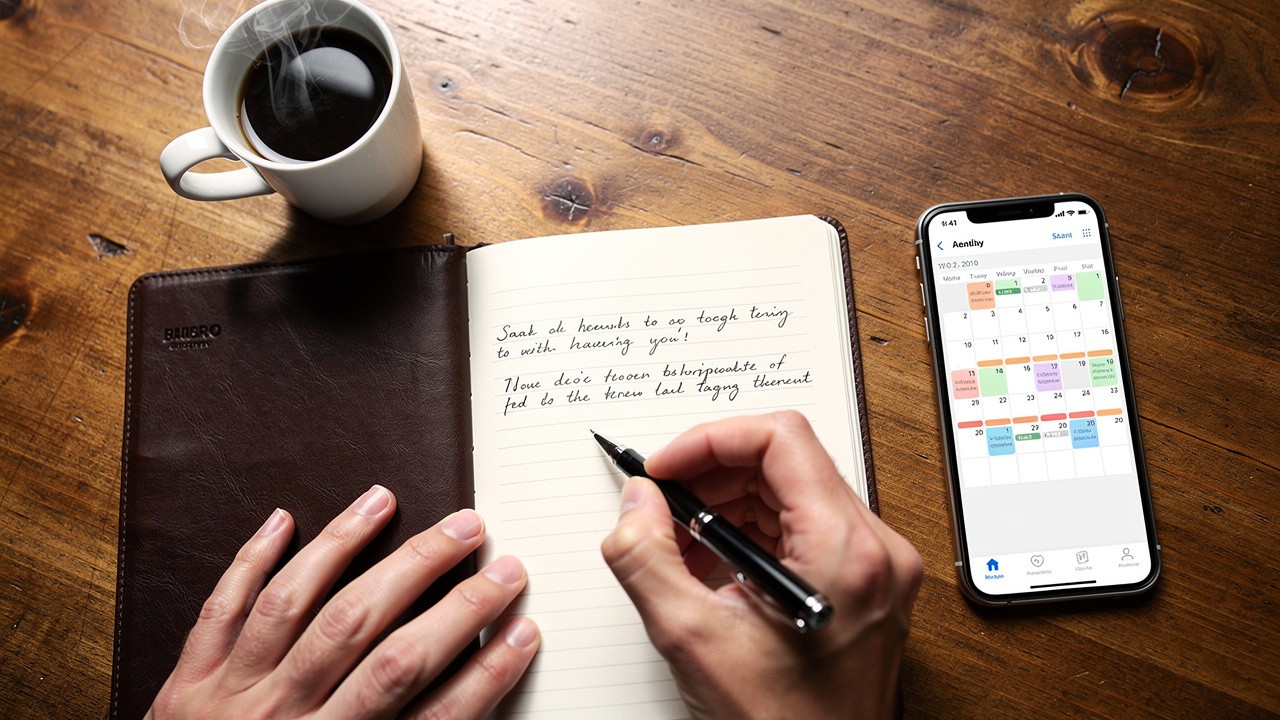
Great cold call closing is simple and repeatable. Think in three steps:
Summarize Value In Their Words
Briefly restate the pain and outcome they care about, not your feature list:
“From what you shared about new reps taking four months to ramp, it sounds like you want them booking meetings faster without burning out.”Outline A Specific Next Step
Answer who, what, when, and why:
“The best next step is a 25‑minute call with you and your team lead. We’ll walk through how teams use Suade to cut ramp time and raise meeting rates. I have Tuesday at 11 your time open.”Ask For Commitment, Then Pause
End with a clear question:
“Does Tuesday at 11 work for you?”
Then stay quiet and let them answer.
Support this structure with calm, confident tone. Treat the meeting as the natural next step, not a big favor, and confirm mutual actions (“I’ll send an agenda; if you can invite your sales manager, we’ll keep it tight.”).
7 Fatal Mistakes That Kill Your Call Close (And How To Fix Them)

Even good reps lose meetings by repeating the same small errors. Clean up these seven and your close rate rises fast.
Ending With Vague Next Steps
Phrases like “I’ll be in touch” feel polite but give no plan. Replace them with concrete details:
“I’ll send the proposal by 5 p.m., and we’ll review it together Thursday at 10. I’m adding that to both of our calendars now.”
Rushing Through The Goodbye
Jumping from “Sounds good” to “Thanks, bye” makes the call feel transactional. Leave 60–90 seconds to:
Recap the value
Confirm the next step
Ask, “Before we wrap, is there anything else that would help you feel ready for our next call?”
Using Generic, Robotic Scripts
“Thank you for your time” is polite but forgettable. Reference something specific:
“I liked hearing how you plan to double your SDR team this year. I’m excited to show you how we can shorten ramp for that group.”
Forgetting To Reinforce Value
If you only talk logistics, the invite lands without a strong “why.” Add one sharp reminder:
“You mentioned managers spend five hours a week coaching calls. Our platform gives live feedback, so we’ll talk Tuesday about how much of that time you can win back.”
Not Confirming Communication Preferences
Assuming they prefer email or that the invite will auto‑land causes preventable no‑shows. Ask:
“What’s the best channel for the invite—your work email or another address?”
“Can I read that back to you?”
Skipping Immediate Note Logging
Call closing is not done when you hang up. Take a few minutes to log:
Main pains and numbers
Exact next step
Names and roles
Personal details you can reference later
Closing Without A Clear Call-To-Action
Give them a simple task between calls:
“I’ll send that ROI calculator. Could you plug in your team’s numbers before Thursday and tell me what you see?”
This keeps buyers engaged and makes the follow‑up meeting more concrete.
Proven Call-Closing Scripts For Every Scenario

Scripts are starting points, not lines to read word for word. Adapt them to your voice, but keep the structure.
When The Prospect Is Ready To Move Forward
Lean in and focus on making next steps easy:
“This feels like a strong fit. I’ll send the agreement within the hour. Should I address it just to you, or include your finance lead as well?”
“I’ll send onboarding details and a draft timeline this afternoon. We usually book the kickoff within two days—does Tuesday or Wednesday work better for you?”
If you sense hidden concerns:
“Before I send the contract, is there anything holding you back from moving ahead today? I’d rather clear that up now.”
When You Need To Schedule A Follow-Up Meeting
Turn interest into a calendar slot:
“This has been really productive. Let’s regroup after you’ve reviewed the material I send. Does early next week or later in the week work better?”
“I’ll send that custom demo video by tomorrow. Then we can connect Thursday to hear what stood out. How does 2 p.m. your time look?”
When The Prospect Needs More Time To Decide
Respect their process but avoid drifting into silence:
“I understand you need to run this by leadership. Let’s hold a time right after that meeting. What date feels realistic for a quick check‑in?”
“I’ll send a clear comparison you can share internally. Can I check in Friday to see what questions came up?”
When You’re Handing Off To Another Team Member
Make the pass feel professional, not like a brush‑off:
“The next step is a session with our sales engineer, Sarah. She’ll go deeper on the data and integration questions you raised. I’ll introduce you both by email within the hour and stay copied so nothing slips.”
“From here, our customer success team will guide you through setup. I’ll join your kickoff next week so the transition stays smooth.”
Advanced Closing Techniques That Separate Top Performers
Frameworks cover the basics, and research grants on improving these techniques have shown measurable impact on sales performance. Top reps add small touches that make call closing feel natural and persuasive.
Personalize The Close
Mention promotions, launches, or goals they shared:
“Congrats again on stepping into the VP role. I know your time is stretched, so I’ll keep our next call focused on those two metrics you mentioned.”End On A Positive “Yes”
Swap “Is there anything else?” (which invites “no”) for:
“Have I answered everything for today?”
That “yes” creates a sense of completion.Match Energy And Tone
Mirror their pace and style—analytical, energetic, or calm—while staying confident, not pushy.Use Silence After The Ask
After you propose a time, stop talking. Many reps lose deals by filling the silence with excuses or discounts. Let the buyer think and respond.
When deals stall, a gentle pattern interrupt helps: “I sense a bit of hesitation. What’s the real concern?” From there, you can close based on the truth, not assumptions.
Adapting Your Close By Call Type
One of the biggest upgrades you can make is matching your close to the type of call instead of using one catch‑all line.
Cold Calls Securing The Discovery Meeting
You interrupted their day, so keep the ask small and clear:
“I know you didn’t expect this call, and I appreciate the time. Based on what you shared about ramp time, a 15‑minute chat could be helpful. Would next Tuesday or Wednesday work better?”
Discovery Calls Advancing To The Demo
Tie the next step to the topics they cared about:
“Thanks for walking me through your current process and the issues with call coaching. Based on what you shared, I’d like to set up a demo focused on faster ramp and higher meeting rates. How does Thursday morning look?”
Demo Calls Moving To Proposal
Move smoothly toward commercial details:
“Now that you’ve seen how Suade gives live feedback during calls, which parts felt most helpful for your team?”
“Great. I’ll send pricing and a sample rollout plan that reflect those points. Can we reconnect early next week to review it together?”
Closing Calls Securing The Commitment
Be direct and clear:
“It sounds like we agree on fit and rollout. I’ll send the agreement this afternoon. Is there anything that would stop us from starting next week?”
“Perfect. I’ll send the paperwork today and hold next Wednesday for your kickoff.”
How AI-Powered Coaching Improves Call Closing Success

Even well‑trained reps can struggle to execute under pressure. Live calls bring nerves, surprise questions, and screen overload. That is where AI coaching tools such as Suade change the picture for call closing.
Traditional training—slide decks, one‑off workshops, static scripts—teaches concepts but cannot react in real time. Suade listens during the call, detects when you are moving toward the end, and suggests:
A value recap based on pains the prospect just shared
A few ways to ask for time, tuned to call length and tone
Live responses to common objections like “Just send info” or “We’re too busy”
After the call, Suade breaks down the recording and highlights where you skipped the ask, accepted vague next steps, or rushed the close. Managers and reps can see patterns and coach against them.
Teams using this style of AI support for call closing often report about 20% more booked meetings and far faster ramp for new hires, who get live help instead of guessing through their first months on the phone.
The Follow-Up: What Happens After You Close The Call

The close is not finished when you hang up—much like how to write a conclusion for a research paper, the follow-up reinforces and solidifies everything that came before. Your first few minutes and days after the call decide whether that “yes” turns into a real meeting.
Right after the call:
Log pains, numbers, buying roles, and the exact next step
Capture personal details you can reference later
Send promised material as soon as you can—ideally within an hour
Your follow‑up email should:
Reference a specific problem in the subject line (“Follow‑up on SDR ramp time”)
Restate their pain and how you help
Confirm date, time, and agenda for the next meeting
Clearly ask for anything you need from them (data, extra attendees)
If the meeting is a few days away, send a brief reminder about 24 hours before. When no‑shows happen, respond with empathy and two new time options instead of frustration.
Suade can assist here by pulling notes from the call, drafting recap emails, and creating tasks so follow‑through stays consistent.
Common Objections When Asking For Time (And How To Handle Them)
Even with strong call closing, you will hear pushback when you ask for time. Treat objections as part of the process, not rejection.
"Send Me Some Information First"
Agree, but keep the meeting:
“Happy to send something, and I’ll make it specific to your challenge with slow ramp. To make that worth your time, let’s hold 15 minutes next week so I can walk you through it and answer questions. What works better, Tuesday or Thursday?”
"I'm Too Busy Right Now"
Respect their schedule and link time spent to time saved:
“I get it—your day is packed. The teams using Suade often save ten or more hours a week on coaching and ramp work. If we invest twenty minutes now, it could give you far more time back. Would early morning or late afternoon work better?”
"We're Already Using Another Platform"
Position your call as a low‑risk comparison:
“Good to hear you’re already investing in this problem. Many teams that use Suade started with another tool and later found gaps around live coaching or visibility. Would you be open to a short comparison call to see if there’s anything you’re missing?”
"Can You Just Email Me Your Pricing?"
Avoid sending bare numbers with no context:
“I understand you want to move quickly. Pricing depends on team size and a few other pieces, and I want what I send to be accurate. If we spend 15 minutes mapping your setup, I can follow up with clear numbers that fit. Would Tuesday or Thursday work better?”
Conclusion
Call closing is the short, high‑impact part of a cold call where all your work either turns into pipeline or fades away. When you treat those last 60–90 seconds as a skill, not an afterthought, your meeting rates and confidence change fast.
A strong close:
Recaps value in the prospect’s language
Proposes a specific next step
Asks for clear commitment before anyone hangs up
You now have practical frameworks, sample scripts, and objection responses, plus a way to adjust your close by call type. With Suade providing real‑time prompts and post‑call analysis, every close becomes coachable and repeatable, not just a matter of “good days” and “bad days.”
Pick one closing line and one objection response from this guide and use them on your next few calls. As those final ninety seconds become the part you trust the most, you will book more meetings, build stronger pipeline, and move your sales career forward.
FAQs
Question: What Is The Most Important Thing To Remember When Closing A Cold Call?
The most important thing is to leave with a specific next step on the calendar. Recap value, propose a concrete date and time, and ask if that works. Ending with “I’ll follow up” hands control to chance and invites ghosting.
Question: How Long Should A Cold Call Closing Take?
Plan for about 60–90 seconds. Use that time to restate value, outline next steps, invite final questions, and then ask for a time. Rushing to save 30 seconds often costs you the meeting.
Question: What If The Prospect Says They Need To Check Their Calendar?
Stay calm and keep control. Ask, “Do you have your calendar handy? I can wait while you look.” If they cannot check, agree on preferred days or time windows and send two or three options they can accept the same day.
Question: Should I Use The Same Closing Script For Every Call?
Keep the framework the same—value recap, next step, ask—but adapt the words to the call type and stage. A cold call close asks for a short discovery; a demo close points to a proposal or decision call.
Question: How Can AI Help Me Close Cold Calls More Effectively?
Tools like Suade listen to calls in real time, prompt you with closing language and objection responses, and then analyze where your close worked or fell apart. This loop of live help plus review tends to raise meeting rates and speed up ramp for new reps.
Question: What Is The Best Way To Practice Call Closing Skills?
Run short mock calls with peers that start one minute before the close, record real calls when allowed and replay just the last two minutes, and study how top reps on your team finish. Using Suade, you can also get instant feedback after each call.
Question: What Should I Do If The Prospect Still Won’t Commit To A Time?
Stay respectful but specific. Summarize their interest, offer to send a brief recap, and suggest a light next step such as, “I’ll send a short summary you can share internally—may I check in next Friday to see if a quick call makes sense?” That keeps the door open without chasing endlessly.