
Why Digital SDR Coaches Are Important And How AI Can Help Boost Your Team's Output
Oct 16, 2025
Most SDR teams work hard, yet many reps still miss quota month after month. It is not because they are lazy or lack talent. The real gap sits between what buyers expect and what traditional coaching can support, which is where a strong digital SDR coach changes the game.
Introduction
Most SDR teams work hard, yet many reps still miss quota month after month. It is not because they are lazy or lack talent. The real gap sits between what buyers expect and what traditional coaching can support, which is where a strong digital SDR coach changes the game.
Outbound has shifted from broad “spray and pray” outreach to sharp, research‑led prospecting. Reps now need to read intent signals, personalize at scale, and manage a complex tech stack while sounding confident on every cold call. When coaching still depends on a few side‑by‑side calls, scattered feedback, and one weekly call review, that gap only widens.
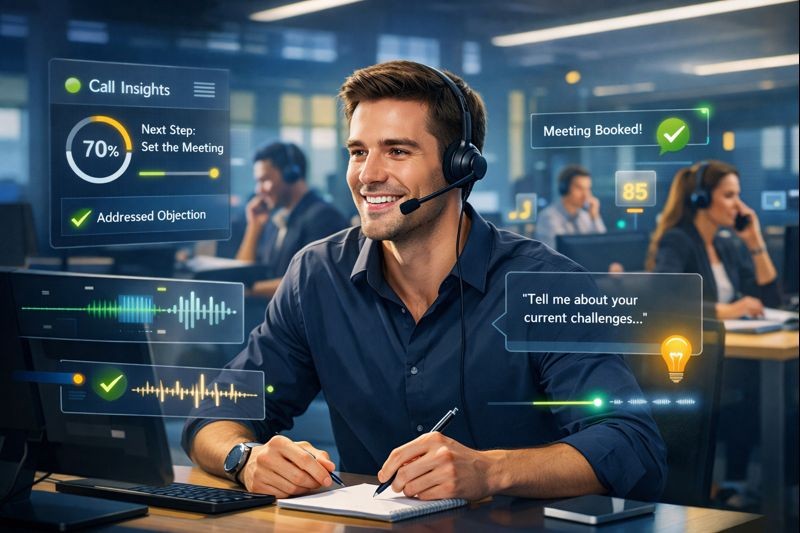
A digital SDR coach uses AI to sit with every rep on every call. It turns coaching from a once‑in‑a‑while conversation into a steady stream of real‑time guidance, specific feedback, and clear metrics. At Suade, we see teams book about 20 percent more meetings and cut ramp time by around 60 percent when they move to this model.
In this article, we walk through why old coaching methods struggle, what a modern digital SDR coach actually is, which features matter, and how AI scales performance across an entire team. We also share how to evaluate platforms like Suade so that coaching becomes a predictable driver of meetings, pipeline, and revenue.
Key Takeaways
A digital SDR coach turns random, ad‑hoc feedback into a steady, data‑driven coaching system that touches every call. Instead of hoping managers catch problems, the platform spots patterns, flags skill gaps, and gives reps specific guidance they can apply right away. This closes the gap between how top performers work and how the rest of the team shows up every day.
AI‑powered coaching allows one manager to support an entire SDR group with a level of detail that used to be reserved for only one or two reps. By listening to every conversation, scoring key behaviors, and surfacing the most important clips, a digital SDR coach helps leaders spend their time where it matters most instead of digging through hours of recordings.
The strongest results come from platforms that cover the full call cycle with pre‑call preparation, in‑call coaching, and post‑call analysis. This means reps practice before they go live, have a safety net during tough moments, and receive targeted feedback after each conversation. Over time, this loop creates steady, visible improvement across the team.
Teams that adopt a digital SDR coach see clear business gains such as faster onboarding, more meetings booked, better forecast accuracy, and higher rep retention. By tying behaviors to outcomes, sales leaders can connect coaching activity to revenue and make better decisions about training, hiring, and process changes.
Suade brings pre‑call dynamic script building, real‑time AI coaching with adaptive objection handling, and deep post‑call insights into one platform. This gives SDRs one place to prepare, perform, and improve, while leaders gain full visibility into what top performers actually do differently on the phone.
The Limitations Of Traditional SDR Coaching Methods

When we talk with sales leaders, the story is often the same. Coaching is important, everyone agrees on that, yet the actual process feels messy and hard to scale. Most SDRs get feedback during random call blocks, a weekly review, or when something goes very wrong, even though research on the effectiveness of strength-based coaching shows that consistent, focused feedback dramatically improves leadership and performance outcomes. That kind of coaching depends heavily on memory and gut feel, not data.
Managers are also stretched across hiring, forecasting, pipeline reviews, and internal meetings. They simply do not have the hours needed to sit in on enough calls or review more than a small handful of recordings each week. While hundreds of conversations happen, only a few ever receive detailed attention, which means many skill gaps stay hidden.
On top of that, performance is usually tracked with lagging metrics such as meetings booked, opportunities created, and deals won. Those numbers matter, but they do not explain why a rep is struggling. Was it weak discovery, poor objection handling, or unclear value messaging? Without a digital SDR coach to expose the patterns inside the calls, leaders are left guessing.
“What gets measured gets managed.” — Peter Drucker
When your only measurements are end‑of‑funnel numbers, coaching becomes guesswork instead of a structured process.
Onboarding suffers as well. New reps often shadow a few calls, memorize a script, and then get pushed onto the phones. If their manager is busy, role‑play sessions slip, feedback is delayed, and their first month feels confusing. Some figure it out, but many pick up bad habits that are hard to fix later.
The admin load makes things worse. Reps spend precious time updating the CRM, writing manual notes, and trying to remember next steps from earlier calls. Managers pull data from spreadsheets and static reports that rarely tell the full story. This creates a coaching motion that is reactive rather than proactive, where problems surface only after a missed quarter. The natural question becomes clear: how do we give every SDR personalized, high‑quality coaching without hiring a small army of managers?
What Is A Digital SDR Coach?
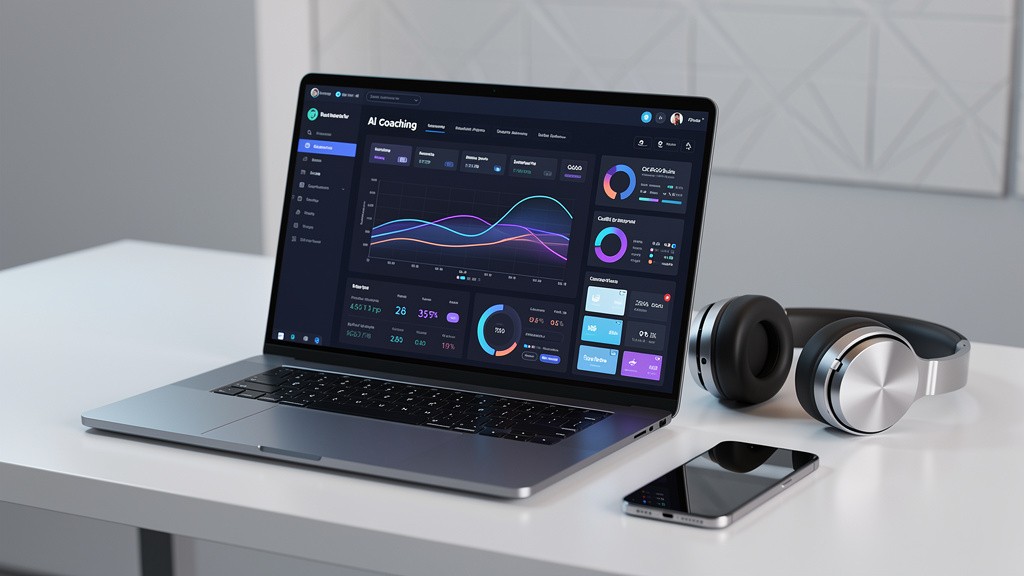
A digital SDR coach is an AI‑powered platform or training system that sits inside the daily rhythm of outbound work. Instead of relying only on human memory and scattered notes, it listens to real calls, reads messages, and tracks behaviors, then turns that activity into clear coaching insights. The goal is simple: give every SDR the type of guidance a top manager would provide if they could sit beside them all day.
These platforms use machine learning and natural language processing to understand what is actually happening in conversations. They do not just record and transcribe calls. A strong digital SDR coach measures talk time, finds objections, spots missed questions, and links specific actions to outcomes like booked meetings or next steps.
Most digital SDR coach tools fall into two broad groups:
AI‑powered sales coaching platforms (such as Suade) that plug into your dialer, video, and CRM. They capture calls in real time, score performance, and can offer live on‑screen prompts when a prospect pushes back or mentions a competitor.
Online SDR training programs that offer structured, on‑demand lessons, role‑plays, and simulations reps can complete on their own schedule.
What ties both groups together is a focus on making coaching measurable, repeatable, and part of everyday work. With a digital SDR coach in place, managers step away from anecdotal comments and move toward data‑backed guidance. Reps do not need to wait for the next one‑on‑one to get help. They receive targeted feedback after each call, which speeds up learning and builds confidence.
Essential Components Of An Effective Digital SDR Coaching Platform
A modern digital SDR coach is more than a call recording tool or a content library. It is a set of connected capabilities that watch how reps work, guide them in the moment, and show leaders exactly where to focus coaching time. When we design and deploy Suade, these are the components we pay close attention to.
Conversation Intelligence Engine

At the heart of any digital SDR coach sits a strong conversation intelligence engine. This part of the platform records and transcribes every sales call and virtual meeting automatically, so nothing depends on a rep pressing the right button. It then analyzes those conversations for talk‑to‑listen ratio, sentiment shifts, topics, and competitor mentions. Over time this builds a searchable, rich record of every interaction that managers and reps can review without digging through random files.
AI-Powered Feedback And Analytics
Recording calls is not enough. A digital SDR coach has to turn those calls into clear, helpful feedback. AI‑powered analytics score each rep against key skills such as objection handling, discovery questions, and value statements. By reading language patterns, the coach highlights where a rep tends to struggle and where they already shine. It can point managers to the exact parts of a call worth reviewing together, connecting behaviors like clear next steps or strong discovery to better meeting rates.
Real-Time And Simulated Training Capabilities
Practice is where good habits form, and a digital SDR coach supports that on two fronts:
AI‑driven simulations let reps practice their pitch, handle objections, and run mock discovery calls with an AI prospect. They get instant feedback on pacing, filler words, and how closely they stick to key messages.
Some platforms provide live, in‑call prompts so reps receive support while talking to real prospects, which bridges the gap between training and real‑world execution.
“Practice isn't the thing you do once you're good. It's the thing you do that makes you good.” — Malcolm Gladwell, Outliers
Digital coaching gives SDRs a safe place to practice, fail, and improve before every call counts.
Seamless Workflow Integration And Automation
For a digital SDR coach to stick, it has to fit inside the current tech stack instead of adding friction. That means deep, two‑way connections with systems such as Salesforce or HubSpot, so call summaries, key fields, and next steps move automatically into the CRM. The platform should also create follow‑up tasks, reminders, and alerts inside tools like Slack or Teams, so reps and managers act on insights quickly. With Suade, we go a step further by combining pre‑call dynamic script building, real‑time AI coaching with adaptive objection handling, and complete post‑call analysis in one place, so reps do not bounce between multiple tools.
Content Libraries And Resource Management
Great coaching depends on easy access to examples and guidance. A strong digital SDR coach includes a central content hub where leaders store the best “golden calls,” playbooks, scripts, and cheat sheets. Reps can pull these resources on demand before or after a call, instead of digging through old emails or shared drives. Managers can update content in one spot and know that everyone is using the latest messaging, which keeps the entire team aligned on how to talk about value and handle common scenarios.
Key Skills Developed Through Digital SDR Coaching
The point of a digital SDR coach is not just more data. It is better skills that show up as more meetings and stronger pipeline. By listening to real work and giving steady feedback, these platforms focus on the exact abilities that separate top SDRs from the rest of the pack.
Prospecting and pipeline generation improve as reps learn to use intent data, firmographic filters, and account signals instead of cold lists. A digital SDR coach shows which types of accounts and contacts turn into real meetings, then nudges reps toward that pattern. Over time, this helps reps spend more of their day on high‑yield outreach instead of random dials that rarely convert.
Cold calling mastery grows when SDRs can hear and review their own calls alongside the best ones from the team. The coach highlights strong openers, good use of pattern interrupts, and moments where the rep lost control of the call. With that insight, reps learn how to grab attention in the first half minute, move past gatekeepers, and keep the conversation going long enough to create interest.
Objection handling becomes less scary because reps have already practiced the most common pushbacks in safe simulations. A digital SDR coach tracks which responses lead to positive outcomes and which fall flat. It then guides both managers and reps toward more effective phrasing, so “send me an email” or “we already have a tool” no longer ends the call.
Discovery and qualification sharpen as AI tracks the number and quality of questions a rep asks and how long they listen. The platform can flag calls where the rep talked too much, skipped budget or timeline, or missed a clear signal of pain. With support for methods such as MEDDIC or SPICED, a digital SDR coach helps reps run structured, thoughtful conversations that set up the account executive for success.
Value articulation and messaging improve as the coach checks whether key value points were actually mentioned and how prospects reacted. Instead of repeating the same generic pitch, reps learn to connect your product to the specific pains of each persona. Since more than seventy percent of customers now expect personalized interactions, this skill directly affects reply rates and meeting conversion.
Time management and tech stack proficiency grow because automation removes much of the tedious work. When the digital SDR coach writes call notes, updates fields, and creates tasks automatically, reps can use that reclaimed time for research and high‑quality outreach. The coach can even suggest daily focus areas, so reps always know which accounts and tasks should come first.
CRM hygiene and data accuracy improve as the platform feeds clean, structured information back into the system of record. Reps no longer forget to log calls or skip important fields after a busy day. Leaders gain a more accurate view of activity, pipeline, and conversion rates, which makes forecasts far more trustworthy and keeps everyone aligned on reality.
The key thing is that these skills are not abstract. A digital SDR coach measures them, shows progress over weeks and months, and connects that progress to booked meetings and revenue, so both reps and leaders can see the payoff from better habits.
The Three Modalities Of Digital Coaching: Pre-Call, In-Call, And Post-Call
A strong digital SDR coach does not appear only after the call is over. It supports reps before they dial, while they are live with a prospect, and after they hang up. Thinking in these three modes helps teams build a complete coaching loop that turns every day on the phones into practice and improvement.
Pre-Call: Simulated Training And Role-Play
Before a new SDR ever speaks to a prospect, a digital SDR coach can put them through realistic practice runs. AI‑driven avatars act like real buyers, asking tough questions, throwing out common brush‑offs, and reacting to the rep’s answers. Reps can run dozens of these simulated calls in a short time, trying different approaches and seeing what works. Immediate feedback on pacing, filler words, and message clarity helps them adjust quickly. This kind of practice removes a lot of the nerves from the first week on the phones. With Suade, pre‑call dynamic script building adds another layer by giving each rep a script shaped to the persona, industry, and use case they are about to call.
In-Call: Real-Time Guidance And Support
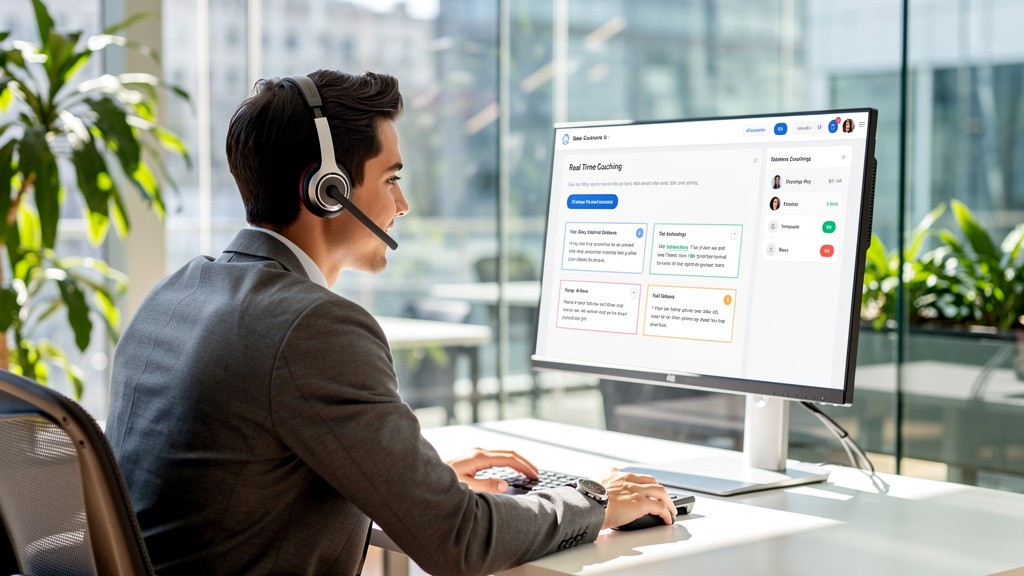
Once a rep is talking to a live prospect, the digital SDR coach shifts into an in‑call partner. The AI listens in real time and can display prompts on the rep’s screen when certain topics arise. If a competitor’s name comes up, it might bring up a battle card with key talking points. If the prospect mentions a clear pain point, it can suggest a follow‑up question. The coach also reminds the rep to confirm next steps and ask for the meeting, so important moments are not missed. In Suade, this real‑time coaching includes adaptive objection handling that reacts to the actual words and tone in the call, giving reps support that feels like a seasoned manager whispering in their ear.
Post-Call: Conversation Intelligence And Deep Analysis
After the call ends, the digital SDR coach moves into analysis mode. It records and transcribes the entire conversation, then scores it against the skills your team cares about. The system flags key moments such as a well‑handled objection, a missed buying signal, or a weak close. Managers can jump straight to those parts for detailed review without sitting through the whole recording. Over time, this creates a clear performance framework across the team, with shared definitions of what a great cold call or discovery call looks like. Suade uses this post‑call analysis to give leaders complete visibility into individual and team trends, so they can direct coaching time toward the habits that most affect revenue.
How AI And Automation Scale SDR Performance Across Your Organization
AI and automation are what allow a digital SDR coach to support every rep at once instead of only a chosen few. They quietly handle the parts of coaching and admin that used to eat up hours, which lets managers and reps focus on real conversations.
One of the biggest wins comes from removing manual CRM work. After each call, the digital SDR coach can write a short summary, mark key fields such as budget or timeline, and create follow‑up tasks. Reps no longer scramble at the end of the day to log everything. That change alone can save several hours a week for each person, which turns into more time on the phone and more thoughtful outreach.
AI also lets teams review every conversation rather than a tiny sample. A manager might realistically listen to ten calls a week, but an AI system can score hundreds or thousands. It can spot broad patterns such as rising competitor mentions, frequent pricing objections, or a dip in discovery quality for a certain rep group. Those patterns then shape team training, script updates, and manager coaching plans.
Because digital SDR coach platforms integrate with tools like Slack, they can send insights while they are still fresh. A manager might receive a message when a new rep nails a hard objection or when a large deal shows signs of stalling. This allows quick praise or intervention instead of waiting for a quarterly review. Reps also see their own scorecards and trends, which makes improvement feel concrete and within reach.
Most important, AI creates objective metrics around skills, not just outcomes. Leaders can see how often top performers ask certain questions, how long they listen, and how clearly they state value. With Suade, we use this data to help teams copy winning behaviors across the group. That is why our customers often see meeting volume rise by about 20 percent and ramp time drop by roughly 60 percent. The AI does the heavy lifting on analysis, while human managers guide strategy and motivation.
Measurable Business Impact: The ROI Of Digital SDR Coaching

When you invest in a digital SDR coach, you are not just buying another tool for the tech stack. You are changing how your team learns, practices, and improves, and that shows up in hard numbers. Because these platforms track both behavior and outcomes, leaders can see the return from coaching in a clear way.
Teams usually notice the first gains in onboarding. New SDRs enter live conversations after dozens of simulated calls and with dynamic scripts tuned to their market. They reach full productivity far faster than peers who rely only on shadowing and slide decks. Many organizations see new reps reach quota thirty to sixty percent sooner, which has a direct impact on pipeline and revenue.
Productivity also jumps because automation removes so much admin. When a digital SDR coach handles call notes and CRM updates, reps can reclaim five to ten hours each week for real selling work. That extra time, combined with sharper skills, often leads to a twenty to fifty percent lift in meetings booked, stronger show rates, and more qualified pipeline.
Leaders benefit as well. With better data flowing from the coach into the CRM, pipeline quality improves and forecast accuracy climbs by fifteen to twenty‑five percent. Managers can support two to three times as many reps without losing coaching depth, because AI points them to the exact moments worth discussing. Reps feel that investment, which reduces burnout and turnover. At Suade, we see customers pull all these gains together through one connected platform, turning coaching from a hopeful activity into a reliable growth driver.
“Sales are contingent upon the attitude of the salesman, not the attitude of the prospect.” — W. Clement Stone
Digital coaching gives reps the skills and confidence to bring the right attitude to every conversation.
Evaluating And Selecting The Right Digital SDR Coach For Your Team
Choosing a digital SDR coach is a strategic decision, not just a quick software pick. The right platform has to match your goals, plug into your current tools, and support the way your managers like to coach. We often guide teams through a few core questions before they decide.
Define Your Primary Coaching Goal
Start by being clear about the main problem you want to solve. Some teams feel the most pain in onboarding and want new hires calling confidently in weeks instead of months. Others already have a seasoned group of SDRs and care more about raising live call performance. When you know whether pre‑call training, in‑call support, or post‑call analysis matters most right now, it becomes much easier to compare digital SDR coach platforms and avoid getting lost in long feature lists.
Assess Integration And Enterprise Readiness
Next, look closely at how well each option fits into your existing tech stack. A digital SDR coach should connect deeply with your CRM, your dialer or meeting tools, and your messaging platforms, so that data flows cleanly both ways. For larger teams, you also want to confirm items like security standards and role‑based access controls. When integration is strong, reps and managers can use the coach without changing their habits much, which drives higher adoption and better results.
Prioritize Customization And Flexibility
Every sales process has its own stages, talk tracks, and qualification rules, so your digital SDR coach should adapt to that reality. Check whether you can adjust scorecards to match methods such as MEDDIC or SPICED and build practice scenarios that reflect your real personas and objections. Alert rules and dashboards should also match your team’s priorities. If a platform feels locked into one rigid way of working, it is more likely to limit your progress as your go‑to‑market motion shifts.
Evaluate User Experience And Adoption Potential
No matter how strong the feature list looks, a digital SDR coach only works if your team enjoys using it. Spend time in the interface and, if possible, have actual reps and managers run through a short trial. Pay attention to how many clicks it takes to find a call, review a scorecard, or adjust a script. Clear design, simple workflows, and fast performance all support adoption. Good support and onboarding from the vendor matter as well, especially in the first months.
Demand Proven ROI And Success Stories
Finally, ask each provider to show real results from teams similar to yours. Look for numbers that tie directly to outcomes such as meetings booked, ramp time, quota attainment, and forecast accuracy. Claims like fifty percent more meetings or thirty percent faster onboarding should be backed by clear stories of how those wins happened. With Suade, we point to the way our platform brings pre‑call dynamic script building, real‑time AI coaching, and post‑call analysis together. Customers who add this full loop often report about twenty percent more booked meetings and roughly sixty percent shorter ramp times, which makes the business case easy to share with senior leadership.
Conclusion
SDR teams sit at the front line of growth, yet many still operate with coaching methods built for a far slower era. Managers do their best with side‑by‑side calls and weekly reviews, but they cannot be everywhere at once. As buyers expect sharper conversations and more personalization, this gap leaves too many reps missing quota and too much pipeline on the table.
A digital SDR coach changes that pattern by sitting inside every stage of the outbound process. With AI listening to calls, guiding reps in real time, and scoring skills after the fact, coaching becomes steady, specific, and fair. New hires ramp faster, experienced reps keep sharpening their craft, and managers can spend their time on the conversations and deals that matter most.
The business impact is clear. Teams see more meetings booked, higher quota attainment, stronger forecast accuracy, and better rep retention when coaching is built on data instead of guesswork. Importantly, digital SDR coaching does not replace human managers. It gives them better information, more time, and sharper tools so they can focus on strategy, motivation, and long‑term growth.
Suade stands out by bringing pre‑call dynamic script building, real‑time AI coaching with adaptive objection handling, and deep post‑call analysis into one connected platform. That combination gives SDRs help before, during, and after every call, while leaders gain full visibility into what is working. If your team is feeling the strain of manual coaching and missed targets, now is the time to review your approach and explore how a digital SDR coach like Suade can raise your team’s output in a measurable, lasting way.
FAQs
What Is The Difference Between A Digital SDR Coach And Traditional Sales Training?
Traditional sales training usually happens in short bursts such as a classroom session, a boot camp, or a slide‑based webinar. Reps take notes, feel fired up for a few days, and then slip back into old habits once they are back on the phones. A digital SDR coach, on the other hand, sits inside the daily workflow, listening to real calls and giving constant, data‑based feedback. It does not depend on a manager’s memory or schedule, because AI reviews every interaction and offers guidance that is specific to each rep’s actual behavior.
How Quickly Can We Expect To See Results After Implementing A Digital SDR Coach?
Most teams begin to notice changes within the first month or two. As reps see their scorecards, clips, and targeted tips, they start adjusting how they open calls, handle objections, and ask discovery questions. Onboarding time for new hires often drops by thirty to sixty percent in the first quarter, since they practice through simulations before going live. Meeting conversion rates tend to rise over the next three to six months as these new habits take root, and many organizations see full return on their investment within the first year.
Will A Digital Coach Replace Our Sales Managers?
No. A digital SDR coach is built to support managers, not replace them. The platform takes over the heavy work of analyzing calls, logging activity, and spotting patterns, which frees leaders from hours of manual review. Managers then use those insights to run sharper one‑on‑ones, group training, and pipeline reviews. Human skills such as motivation, coaching style, and career development remain central, while AI simply makes it easier for managers to focus on the right moments with each rep.
How Does AI Handle The Nuance And Context Of Sales Conversations?
Modern AI used in a digital SDR coach is trained on large sets of sales conversations, so it can recognize intent, tone, and common patterns. It does far more than simple transcription. The system can spot when a buyer sounds hesitant, when a rep rushes past a clear pain point, or when an objection appears that often kills deals. Over time, the coach learns your messaging, market, and sales method, so its feedback becomes more tuned to your world. Suade takes this further with adaptive real‑time coaching that reacts to the specific words and flow of each conversation, while still leaving final judgment to human managers.
What Size Sales Team Benefits Most From A Digital SDR Coach?
Teams of almost any size can gain value from a digital SDR coach, though the impact grows as the group gets larger. Smaller teams and early‑stage companies use these tools to build good habits from day one and give new reps a clear path to success. Mid‑size teams use digital coaching to keep performance consistent across multiple pods or regions. Large organizations with dozens of SDRs see big gains from standardized coaching, shared best practices, and clear visibility into performance. Even a founder making their own cold calls can use a digital SDR coach like Suade to practice, review, and improve faster than they could on their own.